Buying Tips: What Should I Look for When Buying a Tractor?
Making an Informed Decision When Purchasing a Tractor
Buying a tractor is a significant investment, and making the right choice can greatly impact your efficiency and satisfaction in the long run. With so many models and options available, it's essential to consider several factors before making your decision. From understanding the different types of tractors to evaluating your specific needs, being informed will help you choose the best machine for your property or business.
Assessing Your Needs
Before diving into tractor specifications, the first step is to evaluate your needs. Start by considering the primary tasks and projects you’ll be using the tractor for. Are you maintaining a small property, managing a farm, or tackling landscaping projects? Property size and terrain type are also critical factors to keep in mind, as they will dictate the size and power of the tractor you need. It’s also wise to think ahead—if your future tasks or projects might expand, you’ll want to ensure that your tractor has the capability to grow with your needs.
Understanding the Different Types of Tractors
Tractors come in various sizes and categories, each designed for specific uses. Here’s an overview of the most common types:
- Subcompact Tractors: Ideal for smaller properties and light tasks such as mowing and basic landscaping. Their compact size makes them highly maneuverable and easy to store.
- Compact Tractors: A step up in power, compact tractors are great for larger properties and can handle a wider range of tasks, including light farming and larger-scale landscaping.
- Utility Tractors: These machines are more robust, designed for heavier tasks and larger properties. They are commonly used in agriculture and can handle more intensive tasks like plowing and tilling.
- Specialty Tractors: These tractors are designed for specific tasks or industries, such as vineyard tractors or orchard tractors, with specialized features for unique environments.
Each type of tractor has its own advantages, and selecting the right one depends on the size of your property and the tasks you plan to tackle.
Key Features to Consider
When choosing a tractor, a few key features will determine its suitability for your needs:
- Engine Power and Performance: The horsepower of the tractor should match the tasks you’ll be performing. More horsepower allows the tractor to handle heavier tasks, while lower horsepower might be sufficient for lighter work.
- Transmission Types: Tractors come with different transmission options—manual, hydrostatic, and shuttle shift. Each has its benefits, depending on how you plan to use the machine and your preference for control.
- Hydraulics and Lifting Capacity: If you plan to use attachments such as loaders or backhoes, ensure the tractor has adequate hydraulics and lifting capacity to handle them effectively.
- Comfort and Ergonomics: It’s important to consider the operator platform, seat comfort, and the overall design of controls. A tractor that is comfortable to operate will reduce fatigue and improve productivity during long days of work.
Attachments and Implements
Versatility is a major advantage of owning a tractor, and this is enhanced by the ability to use various attachments. Common attachments include:
- Loaders: For hauling and moving materials.
- Mowers: For maintaining lawns and larger grassy areas.
- Backhoes: For digging and trenching.
When choosing a tractor, consider what attachments you may need and whether they are compatible with the model you’re considering. Having the right attachments can significantly expand the tractor’s functionality, making it a more valuable tool.
Quality and Durability
Reliability is key when making an investment in a tractor. Tractors built with high-quality components and robust engineering are more likely to provide long-term satisfaction and fewer breakdowns. Look for brands with a reputation for durability, as this can save you from costly repairs and downtime in the future.
Dealer Support and Services
An often-overlooked aspect of purchasing a tractor is the dealer support that comes with it. Choosing a reputable dealer ensures that you have access to services like maintenance, repairs, and replacement parts. Having a knowledgeable dealer to help guide your purchase and provide ongoing support can make all the difference in the long-term ownership experience.
Budget and Financing Options
It’s important to set a budget before purchasing a tractor and explore the financing options available to you. Many dealers offer financing programs that allow you to spread out payments over time, making the purchase more affordable. Additionally, be sure to inquire about warranty programs to protect your investment.
Test Driving and Evaluation
Before making a final decision, it’s essential to test drive a tractor to evaluate its comfort, ease of use, and overall performance. Pay attention to key features such as seat comfort, controls, and how smoothly the tractor operates. A test drive allows you to get a feel for the machine and determine if it’s the right fit for your needs. Consulting with dealer experts can also provide valuable insights and personalized advice to ensure you’re making the best choice.
Making the Right Choice for Your Tractor Purchase
Buying a tractor is a major investment, and it’s important to consider factors like your property size, the tasks you’ll be handling, and the features that will best support your needs. By assessing these key elements and taking the time to test different models, you can ensure that you’re making an informed decision that will provide long-term satisfaction and productivity.
Related Products
Buy Cash & Save
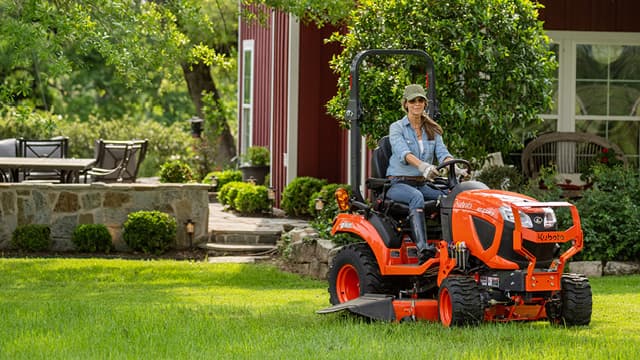
BX80 Series
Sub-Compact Tractors
Kubota's BX80 sub-compact tractor: reliable, comfortable, and remarkably versatile.
- Property Size (Acres) 1-10
- Horsepower (Rated Engine)16.6-23.3 HP
- Cab (Available) Yes
- Mid Mount Mower Decks 48"-60"
- Transmission Type Hydrostatic
Buy Cash & Save
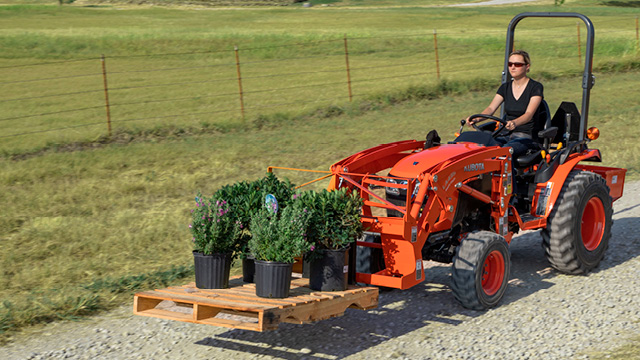
B01 Series
Compact Tractors
With a variety of performance-matched attachments, tackling multiple jobs is what the B01 Series does best.
- Property Size (Acres) 1-10
- Horsepower (Rated Engine)20.9-23.3 HP
- Cab (Available) No
- Mid Mount Mower Decks 54",60"
- Transmission Type Hydrostatic, Gear Drive

Buy Cash & Save
LX20 Series
Compact Tractors
The LX20 gives you the versatility to do more with operability, comfort, and workability.
- Property Size (Acres) 1-10
- Horsepower (Rated Engine)23.3-39.8 HP
- Cab (Available) Yes
- Mid Mount Mower Decks 60", 72"
- Transmission Type Hydrostatic, Gear Drive

Buy Cash & Save
L02 Series
Compact Tractors
The Kubota L02 Series proves that affordability doesn't mean compromise.
- Property Size (Acres) 1-10
- Horsepower (Rated Engine)23.3-48.4 HP
- Cab (Available) No
- Mid Mount Mower Decks N/A
- Transmission Type Hydrostatic, Gear Drive

Buy Cash & Save
L60 Series
Compact Tractors
Spaciousness and power far beyond expectation, that's what you get with the Kubota Grand L60 series.
- Property Size (Acres) 10-20+
- Horsepower (Rated Engine)37.0-62.0 HP
- Cab (Available) Yes
- Mid Mount Mower Decks N/A
- Transmission Type Hydrostatic, Glide Shift